

HELP(2) unites Arctic Monkeys, Oasis, Fontaines D.C., Olivia Rodrigo, and more in a new War Child compilation fueled by urgency, protest, love, and collaboration.
HELP(2) is a bold new collaborative album inspired by the landmark 1995 charity release The Help Album. Created to rally music lovers around the world in support of War Child UK, the project channels the same urgency and collective spirit as its predecessor — but speaks directly to today’s escalating humanitarian crises. Its mission is clear: to raise vital funds for immediate aid, education, specialist mental health support, and protection for children affected by conflict worldwide.
War Child was founded in 1993 by British filmmakers David Wilson and Bill Leeson, who witnessed the devastation of the Bosnian War firsthand. What began as aid convoys delivering emergency supplies has grown into a global organization dedicated to long-term support for children living through the unimaginable realities of war.
Like the original album, HELP(2) was brought to life in an intense burst of creativity. Recorded predominantly over an extraordinary week in November 2025 at London’s iconic Abbey Road Studios, the sessions were guided by acclaimed producer James Ford. The result is not a loose collection of cast-offs assembled for a cause, but a body of work that feels intentional, urgent, and deeply considered — songs written and recorded specifically for this moment.
The lineup reads like a snapshot of modern music at its most vital: Anna Calvi, Arctic Monkeys, Arlo Parks, Arooj Aftab, Bat For Lashes, Beabadoobee, Beck, Beth Gibbons, Big Thief, Black Country, New Road, Cameron Winter, Damon Albarn, Depeche Mode, Dove Ellis, Ellie Rowsell, English Teacher, Ezra Collective, Foals, Fontaines D.C., Graham Coxon, Greentea Peng, Grian Chatten, Kae Tempest, King Krule, Nilüfer Yanya, Olivia Rodrigo, Pulp, Sampha, The Last Dinner Party, Wet Leg, and Young Fathers.
True to its collaborative ethos, the studio doors remained open to spontaneity. What followed was an amazing testament to the cooperative and collaborative spirit of love displayed through music.
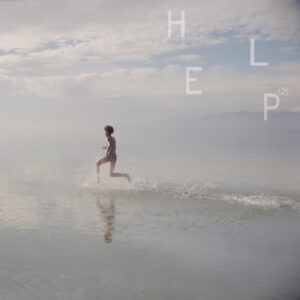 The album totals 24 songs, and opens with “Opening Night,” the first new release from Arctic Monkeys since 2022, immediately setting a tone of scale and ambition. “Opening night” recalls the Arctic Monkeys of the AM and Tranquility Base Hotel & Casino eras, at the pinnacle of their songwriting and musical powers. It is truly a gift for Arctic Monkeys’ fans who may have believed the band was finished after their last tour. Either way, swan song or not, it’s a great song and stands on its own on this compilation.
There are several highlights tucked inside this treasure chest of collaborations, but the album’s second track, “Flags,” stands out immediately. Born from Damon Albarn’s studio session, the song evolved into an impromptu late-night gathering at Abbey Road Studios. Johnny Marr lays down shimmering, understated guitar lines, while poet Kae Tempest and Grian Chatten shape the lyrics and vocal interplay in real time.
The result carries the unmistakable pulse of Fontaines D.C. — propelled by Chatten’s distinctive, steady monotone — yet it stretches beyond any one band’s identity. Tempest threads through the track with a spoken-word cadence that feels urgent and intimate, adding a poetic counterweight to the brooding instrumentation. Marr’s guitar shimmers rather than shouts, creating space for Albarn’s atmospheric touch to bind the elements together.
“Flags” doesn’t feel like a novelty collaboration; it feels organic, almost inevitable — a meeting of kindred spirits circling the same emotional terrain. It’s one of those rare moments where the chemistry in the room is audible, where the spontaneity of the session becomes part of the song’s texture.
Depeche Mode’s contribution — a version of the classic protest song “Universal Soldier” — emerges as one of the album’s most pointed anti-war centerpieces, especially in the context of today’s escalating global conflicts. Rather than radically reinventing the song, the band filters it through the sonic language they’ve refined for decades: a brooding, post-industrial drone layered with austere synth textures and slow-burn tension. The result feels unmistakably Depeche Mode. The arrangement hums with restrained menace, allowing the lyrics to land with renewed gravity. There’s no grand flourish, no overwrought dramatics — just a steady, shadowed pulse that underscores the song’s enduring message about personal responsibility in times of war. In this setting, “Universal Soldier” doesn’t feel like a relic of protest history; it feels present, immediate, and unsettlingly relevant.
Pulp’s performance of “Begging for Change” has an urgency that feels “raw and edgy,” as punk should. The track leans into the band’s post-punk bite while sharpening its focus for the cause at hand. There’s a restless tension running through it — wiry guitars, a taut rhythm section, and vocals that sound less like performance and more like provocation. Rather than nostalgia, “Begging for Change” delivers confrontation. It channels the charity’s thematic weight with an unvarnished edge, capturing frustration, defiance, and a demand for accountability. In the context of the album, it feels less like a reunion statement and more like a reminder that Pulp’s voice — urgent, literate, and socially aware — still cuts cleanly through the noise.
Cameron Winter is the frontman for one of the hottest young bands today, Geese. His contribution to HELP(2), the track “Warning,” is a masterclass in understated tension and cinematic restraint. From the first note, the song casts a shadow over the album’s otherwise bustling collaborative energy, offering a reflective, almost meditative counterpoint to the more boisterous or anthem‑driven tracks. Winter’s production leans into minimalist textures: Hitchcockian tense strings, sparse percussion, and murmuring synths that feel as if they’re teetering on the edge of collapse, perfectly echoing the song’s lyrical themes of vigilance, alertness, and the fragility of safety in a world at conflict. Vocally, Winter blends intimacy and urgency, his voice threading through the arrangement like a whispered caution. It’s not a showpiece; it’s a warning, both literal and metaphorical, that the world is a place of both beauty and danger, and that action — or inaction — carries weight. The restrained approach allows each musical element to breathe, making even the slightest shift — a rising string line, a punctuated chord — feel loaded with emotional resonance.
Where “Warning” truly shines is in its subtle storytelling. While many tracks on HELP(2) rely on star power or the thrill of unexpected collaboration, Winter’s piece demonstrates the power of focus and nuance. By the time the track closes, the listener is left in a reflective space, unsettled yet contemplative — a reminder of the human stakes the album exists to highlight. In short, “Warning” is a quiet but unforgettable highlight: a moment where restraint speaks louder than spectacle, and artistry meets advocacy with precision.
Fontaines D.C.’s cover of fellow Irish artist Sinéad O’Connor’s protest song, “Black Boys on Mopeds,” is a striking, urgent reimagining. Grian Chatten’s unmistakable monotone vocals anchor the track with simmering intensity, giving the lyrics a weight that feels both personal and universal. This is not a nostalgic tribute; it’s a present-day rallying cry. The arrangement sharpens the song’s original critique for an era where systemic injustice and social unrest remain painfully relevant. Every note, every pause, feels deliberate, as if the music itself is insisting the listener confront the issues at hand. The result is a rendition that honors O’Connor’s intent while asserting Fontaines D.C.’s own voice, making the track a highlight of HELP(2) and a potent reminder of music’s enduring power to speak truth to power.
Wet Leg’s contribution to HELP(2), “Obvious,” is an irreverent song that perfectly captures the band’s signature mix of wit, playfulness, and sharp indie-rock instincts. From the opening guitar riff, the track immediately asserts itself with a confident, cheeky swagger, setting a tone that is simultaneously fun and pointed. Vocally, the dual interplay between Rhian Teasdale and Hester Chambers delivers tongue-in-cheek barbs and sly observations, their delivery balancing sardonic humor with real emotional resonance. Wet Leg’s “Obvious” is quintessentially them — clever, sharp, and impossible to ignore — a sparkling highlight on an album defined by its collaborations and purpose.
The album closes with Olivia Rodrigo’s beautiful and tender rendition of the Magnetic Fields’ “The Book of Love,” with Graham Coxon on acoustic guitar. The duo transform the classic into a tender, emotionally resonant finale. From the moment Rodrigo’s voice enters, there’s an intimate, almost fragile quality — each note carefully weighted with sincerity, capturing both vulnerability and a quiet strength that resonates deeply in the context of the album’s humanitarian mission. The arrangement is restrained yet elegant: soft piano, subtle strings, and gently pulsing ambient textures create a warm, enveloping soundscape that allows Rodrigo’s voice to remain at the forefront. The result is a cover that feels both reverent to the original and uniquely hers, drawing out the song’s emotional core with delicate nuance. What makes the song so interesting are the extraordinary circumstances under which it was recorded: as Ford underwent leukemia treatment in the hospital, he guided the session remotely via Zoom, speaking directly into Rodrigo’s headphones while receiving a blood transfusion — a testament to resilience, technology, and devotion to the cause.
This album is more than a compilation;it is a triumph of cooperation, creativity, and compassion. It is both a call for help and an act of hope — a reminder that even amid the horrors of war, collective action can still create something beautiful. It’s hugely impressive, both as a technical and spiritual achievement and as a listening experience.
HELP(2) is poised to surpass the original Help album in both impact and reach. Its wide-ranging roster ensures broad appeal, drawing in fans of the myriad artists who contributed — from established icons to rising stars. Each track feels purposeful, whether through inventive collaborations, politically charged covers, or tender reinterpretations, giving the album both emotional depth and musical variety. The HELP(2) album is a treasure trove of musical gems, offering an astonishing range of styles and moods. From Black Country, New Road’s jagged, evocative “Strangers” to the hauntingly intimate rendition of “Lilac Wine” by Arooj Aftab & Beck, each track feels meticulously crafted for both emotional and artistic impact.
Foals contribute the prescient “When The War is Finally Over,” a reflective, urgent meditation that resonates deeply in today’s global climate, while King Krule’s “The 343 Loop” drifts into a dreamlike, immersive soundscape, offering one of the album’s most hypnotic moments. Across the compilation, the diversity of voices and approaches — from intimate ballads to sprawling sonic experiments — creates a listening experience that is at once cohesive and exhilarating, a testament to the album’s ambition and the caliber of the artists involved.
HELP(2) doesn’t just showcase songs; it captures moments, moods, and perspectives, making it a standout charity project that doubles as a remarkable musical journey.
Oasis has been added to the final roster with a live version of one of their classics, “Acquiesce,” which was recorded at Wembley Stadium, further enhancing the album’s draw and bridging generations of listeners. Overall, HELP(2) succeeds not only as a charitable project but also as a compelling musical statement — an album that resonates both for its artistry and for the vital cause it supports.
HELP(2) is available from today via War Child Records. You can order your copy here.